How to Design an Efficient Commercial Kitchen
Designing an efficient commercial kitchen is one of the most important steps in building a successful restaurant, hotel, catering business, or food production facility. A well-planned kitchen improves workflow, reduces operating costs, ensures food safety, and increases staff productivity
For UAE-based Kitchen Equipment companies, offering professional kitchen design solutions has become a key service, especially with the growing demand across African markets. Countries such as Kenya, Nigeria, Tanzania, Uganda, Rwanda, and South Africa are investing heavily in hospitality infrastructure, creating strong demand for modern and efficient kitchen layouts
This guide explains how to design an efficient commercial kitchen and highlights best practices used by professional kitchen equipment suppliers in the UAE exporting to Africa
Why Efficient Kitchen Design Matters
A poorly designed kitchen can lead to delays, wasted space, safety risks, and reduced productivity. On the other hand, an efficient design helps businesses:
- Improve workflow and speed of service
- Reduce staff movement and fatigue
- Enhance food safety and hygiene
- Minimize operational costs
- Increase cooking efficiency
- Support high-volume production
In the competitive hospitality industry, especially in Africa’s growing restaurant sector, efficient kitchen design is essential for success
Key Principles of Commercial Kitchen Design
1. Workflow Optimization
A commercial kitchen should follow a logical flow from receiving ingredients to serving food. The typical workflow includes
- Receiving and storage
- Preparation area
- Cooking station
- Plating and service
- Dishwashing and cleaning
A smooth workflow reduces congestion and improves efficiency
2. Proper Space Planning
Space utilization is critical in any commercial kitchen design. Designers must ensure
- Enough space for staff movement
- Separation between hot and cold zones
- Clear safety pathways
- Efficient equipment placement
Proper layout planning prevents overcrowding and improves productivity
3. Equipment Selection
Choosing the right commercial kitchen equipment is essential for efficiency and performance. Common equipment includes
- Cooking ranges and ovens
- Refrigeration units
- Food preparation machines
- Stainless steel work tables
- Dishwashing systems
- Storage units
UAE suppliers often provide complete kitchen equipment solutions tailored to restaurant needs in African markets
4. Hygiene and Food Safety Standards
A well-designed kitchen must follow strict hygiene principles:
- Easy-to-clean surfaces
- Stainless steel materials
- Proper waste disposal systems
- Separate raw and cooked food areas
- Good ventilation systems
These factors help maintain food safety and comply with international standards
5. Ventilation and Airflow Systems
Proper ventilation is essential for maintaining a safe working environment. A good kitchen design includes:
- Exhaust hoods
- Air filtration systems
- Heat control solutions
- Smoke extraction systems
Effective airflow improves staff comfort and reduces fire risks
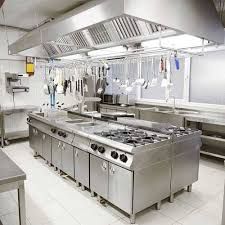
Commercial Kitchen Zones
A professional kitchen is divided into functional zones to improve efficiency
Hot Kitchen Area
Used for cooking, grilling, frying, and baking
Cold Kitchen Area
Used for salad preparation, desserts, and cold dishes
Preparation Area
Where ingredients are cleaned, cut, and prepared
Storage Area
Includes dry storage and cold storage (refrigeration)
Washing Area
Dedicated space for cleaning dishes, utensils, and equipment
Choosing the Right Kitchen Equipment
Selecting the right Kitchen Equipment is a critical part of the design process. Businesses should consider:
- Durability and build quality
- Energy efficiency
- Maintenance requirements
- Space compatibility
- Supplier after-sales support
UAE-based suppliers exporting to Africa often provide customized solutions based on restaurant size and budget
Importance of Stainless Steel in Kitchen Design
Stainless steel is the most widely used material in commercial kitchens due to:
- High durability
- Hygienic surface
- Resistance to corrosion
- Easy maintenance
- Professional appearance
It is commonly used for work tables, sinks, shelves, and kitchen fabrication systems.
Kitchen Design Trends in Africa
The African hospitality market is rapidly evolving, influencing modern kitchen design trends:
- Growth of fast-food restaurants and franchises
- Expansion of hotels and resorts
- Increasing demand for compact kitchen designs
- Adoption of energy-efficient equipment
- Rising focus on food safety standards
These trends are shaping demand for UAE-based kitchen equipment suppliers.
Role of UAE Kitchen Equipment Companies in Africa
UAE companies play a major role in supporting African hospitality growth by offering:
- Complete kitchen design services
- Supply of commercial kitchen equipment
- Custom stainless steel fabrication
- Installation and commissioning
- After-sales support and maintenance
Their strong logistics networks and access to global brands make them reliable partners for African businesses
Common Mistakes in Kitchen Design
Many businesses face challenges due to poor planning. Common mistakes include:
- Ignoring workflow efficiency
- Poor equipment placement
- Insufficient ventilation
- Lack of storage space
- Choosing low-quality equipment
Avoiding these mistakes ensures long-term operational success
Benefits of Professional Kitchen Design
A professionally designed kitchen offers several advantages:
- Higher productivity
- Better food quality
- Reduced operational costs
- Improved safety standards
- Long-term durability
- Faster service times
This is especially important in high-demand African hospitality markets
Future of Commercial Kitchen Design
The future of kitchen design is focused on:
- Smart kitchen technology
- Energy-efficient systems
- Automated cooking solutions
- Sustainable materials
- Modular kitchen designs
UAE suppliers are increasingly adopting these innovations to serve African markets
Conclusion
Designing an efficient commercial kitchen requires careful planning, the right equipment, and a strong understanding of workflow and safety standards. For UAE-based Kitchen Equipment companies, this presents a valuable opportunity to support Africa’s growing hospitality industry with modern, efficient, and customized kitchen solutions
By focusing on quality design, reliable equipment, and strong after-sales service, businesses can build long-term success in Africa’s expanding food service market