How to Start a Commercial Kitchen Business
Starting a commercial kitchen business is one of the most practical and profitable opportunities in today’s food service and hospitality industry. With the continuous growth of restaurants, hotels, cafés, bakeries, and cloud kitchens, the demand for professional kitchen design, manufacturing, and equipment supply is increasing every year
A commercial kitchen business is not just about selling equipment. It is about delivering complete kitchen solutions that help food businesses operate efficiently, safely, and at a high production level. This includes designing kitchen layouts, manufacturing stainless steel equipment, supplying commercial cooking machines, and providing installation and maintenance services
For companies like Kitchen Equipment, the focus is on offering complete turnkey solutions for hotels, restaurants, cafés, and bakeries — from the initial kitchen concept all the way to final installation and operation. This type of business requires technical knowledge, strong supplier relationships, and a clear understanding of how professional kitchens actually work in real environments
Understanding the Commercial Kitchen Industry
Before starting, it is important to understand what this business really involves. A commercial kitchen company typically serves hospitality clients who need durable, high-performance kitchen systems built for daily heavy use.Your customers are usually:
- Hotels and resorts
- Restaurants and fast-food chains
- Cafés and coffee shops
- Bakeries and pastry businesses
- Catering companies
These businesses do not just buy equipment — they invest in complete systems that improve workflow, hygiene, and productivity
Step 1: Study the Market Before You Start
Like any successful business, the commercial kitchen industry starts with proper market research. You need to understand:
- What restaurants and hotels in your area actually need
- Which equipment is most in demand
- Who your competitors are
- How projects are usually priced
- Whether clients prefer local manufacturing or imported equipment
This step helps you avoid random decisions and focus on real market demand
Step 2: Decide Your Business Direction
There are different ways to enter this field, and each one has its own advantages
1. Equipment Supplier
You focus on importing and selling commercial kitchen equipment such as ovens, fryers, refrigerators, and mixers
2. Manufacturing Company
You produce stainless steel kitchen equipment locally for restaurants and hotels
3. Full-Service Kitchen Provider
You handle everything: design, manufacturing, supply, installation, and after-sales service
4. Turnkey Project Contractor
You deliver complete kitchen projects for hotels and large restaurants from A to Z.Most successful companies in this industry move toward full-service solutions because clients prefer dealing with one responsible supplier
Step 3: Focus on Quality Equipment
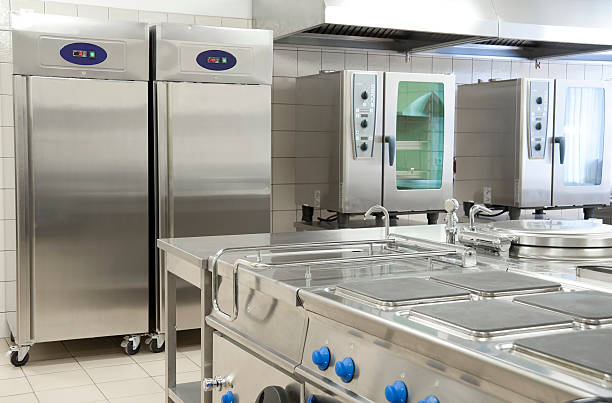
Quality is the backbone of this business. Commercial kitchens operate for long hours every day, so equipment must be durable, efficient, and easy to maintain.Essential equipment includes:
- Commercial ovens (convection, deck, combi)
- Industrial refrigerators and freezers
- Stainless steel work tables
- Fryers and grills
- Dough mixers and bakery machines
- Dishwashing systems
- Ventilation and exhaust hoods
Choosing reliable manufacturers like Kitchen Equipment ensures long-term performance and fewer maintenance issues for client
Step 4: Build Strong Operations
Behind every successful commercial kitchen company is a strong internal system. You need:
- A stainless steel fabrication workshop (if manufacturing locally)
- Reliable equipment suppliers
- A logistics and delivery system
- Installation and technical teams
- Spare parts and maintenance support
The faster and smoother your execution is, the more trust you build with clients
Step 5: Target the Right Clients
Your real market is the hospitality industry. Focus your efforts on:
- New hotel projects
- Restaurant chains and franchises
- Café openings and upgrades
- Bakery expansions
- Catering businesses
These clients usually work on large budgets and long-term projects, which makes them more valuable for your business growth
Step 6: Understand Project Pricing
Pricing in this industry depends on the size and complexity of each project.
Typical project ranges:
- Small café kitchen: $5,000 – $20,000
- Restaurant kitchen setup: $20,000 – $80,000
- Hotel commercial kitchen: $80,000 – $500,000+
Prices usually include design, equipment, installation, and technical support. Offering full packages makes it easier for clients to decide
Step 7: Build Trust Through Customer Experience
In this industry, reputation matters more than advertising.Clients care about:
- Equipment quality and durability
- On-time delivery and installation
- After-sales service
- Technical support availability
- Energy efficiency and cost savings
Positive customer experience leads to repeat projects and long-term contracts
Step 8: Expand to New Markets
Once your business becomes stable locally, expansion becomes a natural step. Many commercial kitchen companies grow by exporting equipment and services to new regions.One of the most promising markets today is Africa, where hospitality and tourism sectors are expanding quickly. Companies like Kitchen Equipment are already supplying and distributing commercial kitchen solutions across African countries, supporting hotels, restaurants, and food businesses with modern and efficient systems
Why Choose Kitchen Equipment?
Kitchen Equipment is a professional company specializing in the manufacturing and supply of commercial kitchens for hotels, restaurants, cafés, and bakeries.The company provides:
- Complete commercial kitchen design
- Stainless steel fabrication
- Professional kitchen equipment supply
- Hotel and restaurant kitchen installation
- Energy-efficient kitchen solutions
- Distribution services across Africa and international markets
The goal is simple: to help food businesses build efficient, modern, and profitable kitchens that can operate at the highest professional standards
Conclusion
Starting a commercial kitchen business is a strong opportunity in the growing hospitality sector. However, success depends on more than just selling equipment. It requires understanding kitchen operations, delivering reliable solutions, and building long-term relationships with clients