Commercial Kitchen Ventilation: What You Need to Know
Proper ventilation is one of the most critical elements in any professional kitchen. Whether in restaurants, hotels, central kitchens, or catering facilities, a well-designed ventilation system ensures a safe, clean, and efficient working environment
For UAE-based Kitchen Equipment companies, commercial kitchen ventilation systems are a key export product, especially to fast-growing African markets such as Kenya, Nigeria, Tanzania, Uganda, Rwanda, and South Africa. As the hospitality industry expands across Africa, demand for reliable and high-performance ventilation solutions continues to rise.
This article explains everything you need to know about commercial kitchen ventilation systems, their importance, types, and best practices
Why Commercial Kitchen Ventilation is Important
A commercial kitchen produces heat, smoke, grease, and strong odors during daily operations. Without proper ventilation, these factors can negatively impact:
- Staff safety and comfort
- Kitchen hygiene standards
- Equipment performance
- Fire safety risks
- Indoor air quality
A properly designed ventilation system helps maintain a safe and productive kitchen environment.
Key Components of a Kitchen Ventilation System
A complete commercial kitchen ventilation system includes several essential components:
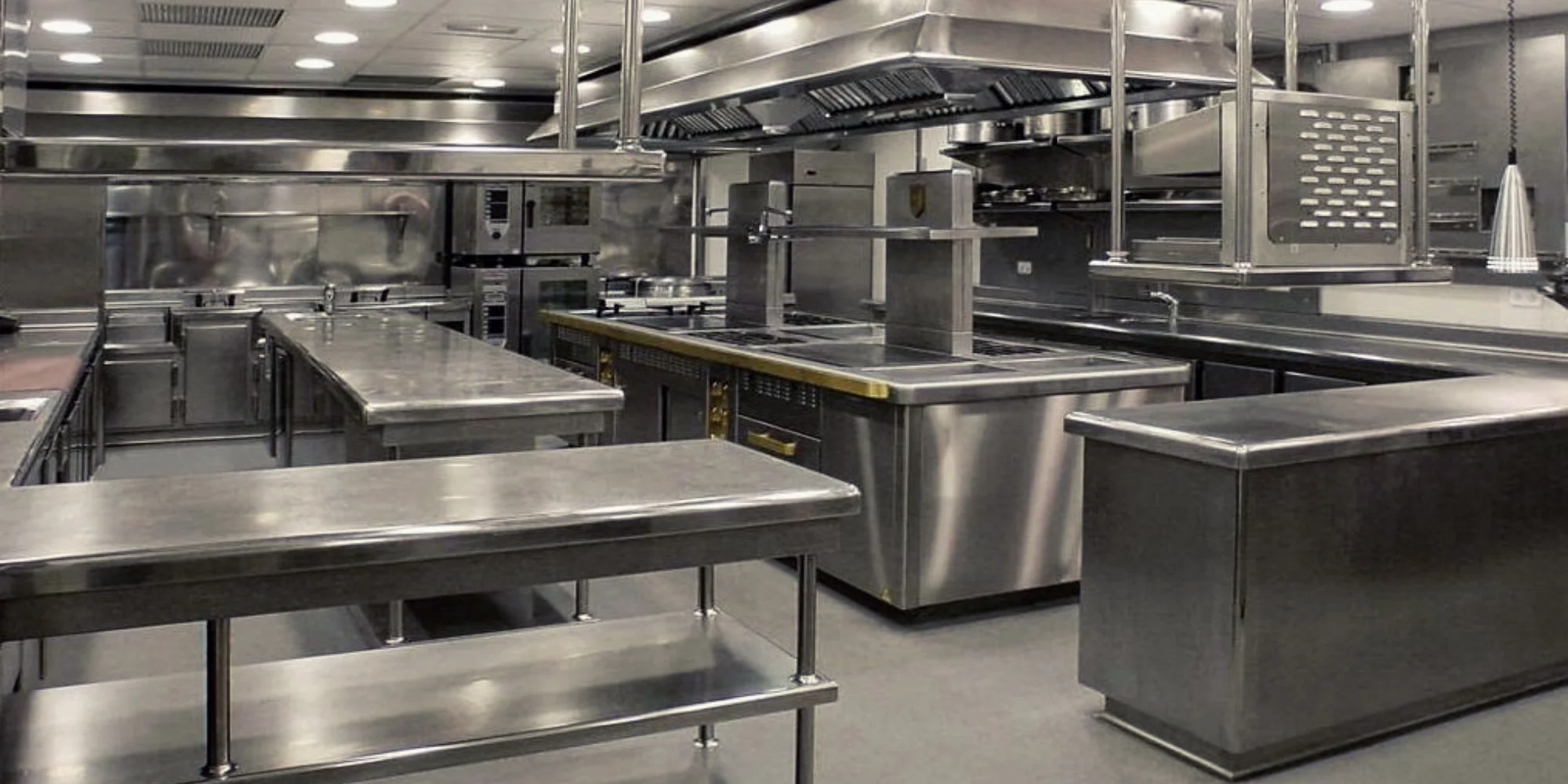
1. Exhaust Hoods
Exhaust hoods capture smoke, heat, and grease from cooking equipment.Benefits include:
- Improved air quality
- Fire risk reduction
- Heat control in kitchen areas
2. Ducting System
Ducts transport contaminated air from the kitchen to the outside.Key features:
- Efficient airflow design
- Heat-resistant materials
- Easy maintenance access
3. Exhaust Fans
Fans help remove hot air and maintain proper air circulation.They ensure:
- Continuous airflow
- Temperature control
- Reduced humidity levels
4. Air Filters
Filters trap grease particles and improve air cleanliness.Types include:
- Grease filters
- Carbon filters
- Metal baffle filters
Types of Commercial Kitchen Ventilation Systems
1. Type I Ventilation Systems
Designed for cooking equipment that produces grease and smoke, such as fryers and grills.
2. Type II Ventilation Systems
Used for heat and steam removal from dishwashing or baking areas.
3. Make-Up Air Systems
These systems replace exhausted air with fresh air to maintain balance in the kitchen.
Importance of Stainless Steel in Ventilation Systems
Stainless steel is widely used in ventilation systems due to its:
- High durability
- Resistance to heat and corrosion
- Easy cleaning and maintenance
- Hygienic surface
This makes it ideal for commercial kitchen equipment in restaurants and hotels.
Kitchen Ventilation in African Markets
The demand for kitchen ventilation systems in Africa is increasing due to:
- Growth of restaurants and hotels
- Expansion of fast-food chains
- Rising awareness of food safety standards
- Development of central kitchens
- Increased investment in hospitality infrastructure
UAE-based suppliers are well-positioned to meet this demand with high-quality ventilation solutions.
Why UAE is a Leading Supplier of Kitchen Ventilation Systems
The UAE has become a major hub for exporting Kitchen Equipment due to several advantages:
Strategic Location
Fast shipping access to African markets.
High-Quality Manufacturing
Products meet international safety and performance standards.
Complete Kitchen Solutions
Suppliers offer full kitchen design, equipment, and ventilation systems.
Strong Logistics Network
Efficient export and installation support services.
How to Choose the Right Kitchen Ventilation System
When selecting a ventilation system, consider the following:
- Kitchen size and layout
- Type of cooking equipment used
- Airflow capacity requirements
- Energy efficiency
- Maintenance accessibility
- Local safety regulations
A properly designed system improves kitchen performance and safety.
Installation Best Practices
Proper installation is essential for system efficiency:
- Correct hood positioning above cooking equipment
- Proper duct sizing and routing
- Balanced airflow design
- Regular maintenance planning
- Use of certified materials and components
Professional installation ensures long-term reliability.
Common Problems in Poor Ventilation Systems
Poorly designed systems may cause:
- Excess heat buildup
- Smoke accumulation
- Grease deposits in kitchen areas
- High fire risk
- Staff discomfort
- Equipment damage
This highlights the importance of investing in quality ventilation systems.
Maintenance Tips for Kitchen Ventilation Systems
Regular maintenance improves performance and safety:
- Clean grease filters regularly
- Inspect duct systems periodically
- Check fan performance
- Replace worn-out components
- Schedule professional servicing
Proper maintenance extends system lifespan.
Future Trends in Kitchen Ventilation
The ventilation industry is evolving with new technologies:
- Smart airflow control systems
- Energy-efficient exhaust fans
- Automated grease filtration systems
- Eco-friendly ventilation solutions
These innovations are shaping modern commercial kitchen equipment design.
Frequently Asked Questions
1. Why is kitchen ventilation important in restaurants?
Kitchen ventilation removes heat, smoke, and grease, ensuring a safe and comfortable working environment.
2. What type of ventilation system is best for commercial kitchens?
Type I systems are best for heavy cooking areas, while Type II systems are used for heat and steam control.
3. How often should kitchen ventilation systems be cleaned?
Grease filters should be cleaned regularly, while full system maintenance is recommended every few months.
4. Can ventilation systems improve energy efficiency?
Yes, modern systems are designed to reduce energy consumption while maintaining strong airflow performance.
5. Why are UAE suppliers popular for kitchen ventilation equipment in Africa?
Because they offer high-quality products, reliable logistics, and complete kitchen solutions tailored for African markets.
Conclusion
Commercial kitchen ventilation is essential for maintaining safety, hygiene, and efficiency in any food service operation. From exhaust hoods to duct systems, every component plays a crucial role in ensuring smooth kitchen performance
For UAE-based Kitchen Equipment companies, exporting ventilation systems to Africa represents a growing opportunity driven by rapid expansion in the hospitality industry. By providing high-quality, efficient, and durable solutions, suppliers can support the development of modern commercial kitchens across African markets