Food Truck Kitchen Setup Guide
Food trucks have become one of the fastest-growing sectors in the global food service industry. From gourmet street food concepts and coffee trucks to mobile catering businesses, entrepreneurs are increasingly investing in compact and efficient mobile kitchens
Across Africa, the food truck industry is expanding rapidly due to urban growth, tourism development, and increasing demand for convenient dining experiences. For UAE-based Kitchen Equipment companies, this creates excellent opportunities to supply modern food truck kitchen solutions to African markets such as Kenya, Nigeria, Tanzania, Uganda, Rwanda, and South Africa
Designing a successful food truck kitchen requires careful planning, smart space management, reliable equipment, and proper ventilation systems. This complete guide explains everything you need to know about building an efficient and profitable food truck kitchen
Why Food Truck Kitchens Are Growing in Popularity
Food trucks offer several advantages compared to traditional restaurants
- Lower startup costs
- Flexible business locations
- Faster business launch
- Mobility and convenience
- Growing customer demand for street food
In many African cities, food trucks are becoming popular in business districts, shopping centers, tourist areas, and events
Planning Your Food Truck Kitchen Layout
The layout is the foundation of an efficient food truck kitchen. Since space is limited, every section must be carefully organized.A good layout should allow
- Smooth staff movement
- Efficient food preparation
- Safe cooking operations
- Easy cleaning and maintenance
The workflow should move naturally from storage to preparation, cooking, serving, and cleaning
Essential Equipment for Food Truck Kitchens
Choosing the right commercial kitchen equipment is essential for maximizing productivity inside a compact mobile kitchen
1. Cooking Equipment
Cooking equipment depends on the food concept, but common options include
- Grills and griddles
- Deep fryers
- Gas burners
- Compact ovens
- Hot plates
The equipment should be durable, compact, and energy-efficient for mobile operations
2. Refrigeration Systems
Refrigeration is critical for food safety and ingredient preservation.Popular refrigeration systems include
- Undercounter refrigerators
- Compact freezers
- Prep station coolers
- Beverage refrigerators
Reliable refrigeration is especially important in hot African climates
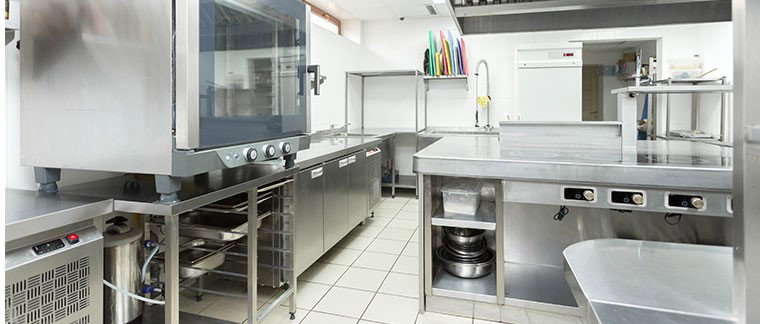
3. Stainless Steel Workstations
Stainless steel is widely used in food truck kitchens because it is
- Hygienic
- Durable
- Easy to clean
- Resistant to corrosion
Work tables, sinks, and storage shelves are commonly made from stainless steel
4. Ventilation Systems
Proper ventilation is essential in small mobile kitchens.Food truck ventilation systems typically include
- Exhaust hoods
- Extraction fans
- Grease filters
- Air circulation systems
Good airflow improves safety and working conditions
5. Food Preparation Equipment
Efficient preparation equipment helps save time and space:
- Food processors
- Blenders
- Compact mixers
- Slicers
Compact and multifunctional appliances are ideal for food trucks
6. Water and Sink Systems
Food trucks require proper sanitation systems such as:
- Handwashing sinks
- Dishwashing sinks
- Freshwater tanks
- Wastewater tanks
These systems help maintain hygiene and comply with regulations
Importance of Space Optimization
Space optimization is one of the biggest challenges in food truck design.Best practices include:
- Using multifunctional equipment
- Installing wall-mounted shelves
- Choosing compact appliances
- Maximizing vertical storage space
Efficient organization improves workflow and staff productivity
Power and Energy Requirements
Food truck kitchens require stable power systems to operate equipment efficiently.Common power solutions include:
- Gas systems
- Generators
- Solar power systems
- External electrical connections
Energy-efficient Kitchen Equipment helps reduce operating costs and improve sustainability
Food Safety and Hygiene Standards
Maintaining hygiene is critical in mobile food businesses.Key safety practices include:
- Proper refrigeration temperatures
- Regular equipment cleaning
- Safe food storage
- Waste management systems
- Separate cleaning and cooking areas
Following food safety standards builds customer trust and protects business reputation
Why UAE Suppliers Are Ideal for Food Truck Kitchen Equipment
The UAE has become a leading supplier of food truck kitchen solutions for African markets.Advantages include:
Strategic Export Location
Fast shipping access to African countries
High-Quality Equipment
Access to international brands and certified products
Customized Kitchen Solutions
Tailored food truck layouts and stainless steel fabrication
Strong Logistics and Support
Reliable export, installation, and after-sales services
Common Mistakes to Avoid in Food Truck Kitchen Setup
Businesses should avoid:
- Overcrowding equipment
- Poor ventilation planning
- Insufficient storage space
- Low-quality refrigeration systems
- Ignoring local regulations
Proper planning prevents operational problems and improves efficiency
Food Truck Trends in Africa
The African mobile food industry is evolving quickly with trends such as:
- Gourmet street food concepts
- Coffee and beverage trucks
- Mobile catering services
- Eco-friendly food trucks
- Smart kitchen technology
These trends create strong opportunities for UAE-based Kitchen Equipment suppliers
Sustainability in Food Truck Kitchens
Modern food truck businesses are increasingly adopting sustainable solutions such as:
- Energy-efficient appliances
- Eco-friendly packaging
- Water-saving systems
- Low-emission generators
Sustainable kitchens help reduce operational costs and environmental impact
Frequently Asked Questions
1. What equipment is essential for a food truck kitchen?
Essential equipment includes cooking appliances, refrigeration systems, stainless steel workstations, ventilation systems, and food preparation tools
2. Why is stainless steel important in food truck kitchens?
Stainless steel is durable, hygienic, corrosion-resistant, and easy to clean, making it ideal for mobile food operations
3. How important is ventilation in a food truck?
Proper ventilation removes heat, smoke, and grease while improving safety and comfort inside the truck
4. What type of refrigeration is best for food trucks?
Compact undercounter refrigerators and prep station coolers are ideal because they save space and maintain food freshness
5. How can food truck owners reduce energy consumption?
Using energy-efficient kitchen equipment, LED lighting, and modern refrigeration systems helps lower operating costs
6. What are the common mistakes in food truck kitchen design?
Common mistakes include overcrowding equipment, poor ventilation, limited storage, and choosing low-quality appliances
7. Why are UAE kitchen equipment suppliers popular in Africa?
UAE suppliers provide high-quality products, fast export services, customized kitchen solutions, and reliable after-sales support
8. How often should food truck equipment be maintained?
Regular maintenance should be scheduled monthly, while refrigeration and ventilation systems should be checked frequently for optimal performance
9. Can UAE companies provide customized food truck kitchen solutions?
Yes, many UAE-based Kitchen Equipment companies offer customized layouts, stainless steel fabrication, installation, and complete turnkey food truck solutions for African markets
10. What is the best way to optimize space inside a food truck?
Using multifunctional equipment, wall-mounted storage, and compact appliances helps maximize available space efficiently
Conclusion
Setting up a successful food truck kitchen requires smart planning, efficient equipment selection, and proper space management. From refrigeration systems and cooking appliances to ventilation and stainless steel fabrication, every detail plays an important role in operational success.