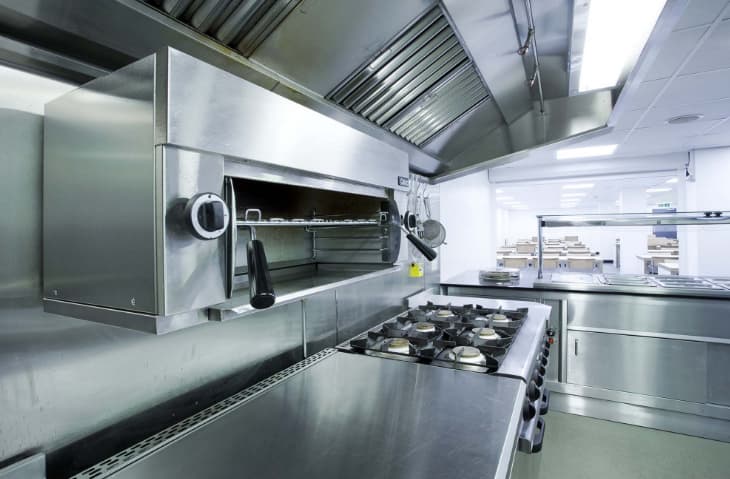
How Stainless Steel Improves Kitchen Hygiene
Keeping a kitchen clean and hygienic is essential for every home, restaurant, and food preparation area. One of the most effective ways to improve kitchen sanitation is by using stainless steel surfaces and equipment. From countertops to sinks and appliances, stainless steel has become the preferred material in modern kitchens because of its durability, resistance to bacteria, and easy maintenance
In this article, we will explore how stainless steel improves kitchen hygiene and why it is considered the best choice for safe food preparation
Why Kitchen Hygiene Matters
Kitchen hygiene plays a major role in preventing food contamination, bacteria growth, and foodborne illnesses. Poor sanitation can lead to dangerous health risks caused by germs such as Salmonella and E. coli. Choosing the right materials for kitchen surfaces can significantly reduce these risks and create a safer cooking environment.This is where stainless steel stands out
What Makes Stainless Steel Hygienic?
Stainless steel is a non-porous material, meaning it does not absorb moisture, food particles, or bacteria. Unlike wood or certain types of plastic, stainless steel surfaces remain smooth and resistant to contamination
Key Hygienic Properties of Stainless Steel
- Resistant to bacteria and germs
- Easy to clean and sanitize
- Non-absorbent surface
- Resistant to rust and corrosion
- Durable and long-lasting
- Heat and stain resistant
These features make stainless steel ideal for kitchens in homes, restaurants, hotels, and hospitals
Stainless Steel Prevents Bacterial Growth
One of the biggest advantages of stainless steel in kitchens is its ability to prevent bacterial buildup. Because the surface is smooth and sealed, bacteria cannot easily hide or multiply.Food particles and liquids can be quickly wiped away, reducing the risk of cross-contamination between raw and cooked foods. This is especially important when handling meat, poultry, and seafood
Easy Cleaning and Maintenance
Cleaning stainless steel is simple and efficient. Most spills, grease, and stains can be removed using warm water and mild detergent
Tips for Cleaning Stainless Steel Surfaces
- Use a soft cloth or sponge
- Clean with warm water and soap
- Dry surfaces to prevent water spots
- Avoid abrasive cleaners
- Sanitize regularly for maximum hygiene
Because stainless steel is easy to maintain, it helps kitchens stay cleaner with less effort
Resistance to Rust and Corrosion
Moisture is common in kitchens, especially around sinks and food preparation areas. Many materials can rust or deteriorate over time, creating spaces where bacteria can grow.Stainless steel resists rust and corrosion, even in humid environments. This makes it a reliable and hygienic option for long-term kitchen use
Stainless Steel in Commercial Kitchens
Professional kitchens rely heavily on stainless steel equipment because health regulations require high sanitation standards. Restaurants and food processing facilities often use stainless steel for
- Countertops
- Sinks
- Cabinets
- Refrigerators
- Cooking equipment
- Food preparation tables
Its hygienic properties help businesses meet food safety requirements and maintain clean working environments
Eco-Friendly and Sustainable Choice
In addition to hygiene benefits, stainless steel is environmentally friendly. It is 100% recyclable and has a long lifespan, reducing waste and replacement costs.Its durability also means fewer cracks, chips, or damage where bacteria could accumulate
Comparing Stainless Steel to Other Kitchen Materials
Stainless Steel vs Wood
Wood surfaces can absorb moisture and bacteria, making them harder to sanitize properly
Stainless Steel vs Plastic
Plastic surfaces may develop scratches over time, creating hidden areas for germs and bacteria
Stainless Steel vs Stone
Some stone countertops are porous and require sealing to prevent contamination.Stainless steel offers a more hygienic and low-maintenance alternative compared to many traditional materials
Best Practices for Maintaining Kitchen Hygiene
To maximize the hygienic benefits of stainless steel, follow these best practices
- Clean surfaces immediately after use
- Sanitize food preparation areas daily
- Use separate cutting boards for raw meat
- Avoid leaving standing water on surfaces
- Regularly inspect kitchen equipment
Combining good cleaning habits with stainless steel surfaces creates a safer and healthier kitchen
Frequently Asked Questions
1. Why is stainless steel considered hygienic for kitchens?
Stainless steel is hygienic because it has a non-porous surface that does not absorb bacteria, moisture, or food particles. This helps reduce contamination and makes cleaning easier
2. Does stainless steel prevent bacteria completely?
No material can completely prevent bacteria, but stainless steel makes it much harder for germs to grow and spread when cleaned properly and regularly
3. Is stainless steel easy to clean?
Yes, stainless steel is very easy to clean. Most stains and spills can be removed using warm water, mild soap, and a soft cloth
4. Why do commercial kitchens use stainless steel?
Commercial kitchens use stainless steel because it meets food safety standards, resists corrosion, and provides a durable and sanitary surface for food preparation
5. Can stainless steel rust in the kitchen?
High-quality stainless steel is highly resistant to rust and corrosion. Proper cleaning and maintenance help keep it in excellent condition for many years
6. Is stainless steel better than wood countertops?
For hygiene purposes, stainless steel is generally better because wood can absorb moisture and bacteria, while stainless steel remains non-porous and easier to sanitize
7. How often should stainless steel surfaces be sanitized?
Kitchen stainless steel surfaces should be cleaned daily and sanitized regularly, especially after handling raw meat, seafood, or poultry
8. Is stainless steel environmentally friendly?
Yes, stainless steel is eco-friendly because it is recyclable, durable, and long-lasting, reducing waste and replacement costs
9. Does stainless steel scratch easily?
Stainless steel can develop minor scratches over time, but these usually do not affect its hygiene or performance when maintained properly
10. What are the common uses of stainless steel in kitchens?
Stainless steel is commonly used for countertops, sinks, cabinets, appliances, cooking
Conclusion
Stainless steel is one of the best materials for improving kitchen hygiene. Its non-porous surface, resistance to bacteria, easy cleaning, and long-lasting durability make it the preferred choice for both residential and commercial kitchens
Whether you are upgrading a home kitchen or designing a professional food preparation space, stainless steel helps maintain cleanliness, supports food safety, and creates a more hygienic environment overall
By investing in stainless steel surfaces and equipment, you can enjoy a cleaner, safer, and more efficient kitchen for years to come