Modern Commercial Kitchen Design Trends
The commercial kitchen industry is evolving rapidly as restaurants, hotels, cafés, central kitchens, and catering businesses seek smarter, more efficient, and sustainable kitchen solutions. Modern commercial kitchen design is no longer focused only on functionality; it now combines workflow optimization, energy efficiency, hygiene, technology, and aesthetics
For UAE-based Kitchen Equipment companies exporting to African markets, staying updated with modern kitchen design trends is essential. Countries such as Kenya, Nigeria, Tanzania, Uganda, Rwanda, Ethiopia, and South Africa are experiencing rapid growth in hospitality and food service industries, increasing demand for advanced commercial kitchen solutions
This article explores the latest commercial kitchen design trends shaping the future of the hospitality sector
Why Modern Kitchen Design Matters
An efficient commercial kitchen design directly impacts business performance. A modern kitchen helps businesses
- Improve workflow efficiency
- Increase food production speed
- Reduce operational costs
- Enhance food safety standards
- Improve staff productivity
- Support energy efficiency goals
In highly competitive hospitality markets, a well-designed kitchen can significantly improve customer satisfaction and profitability
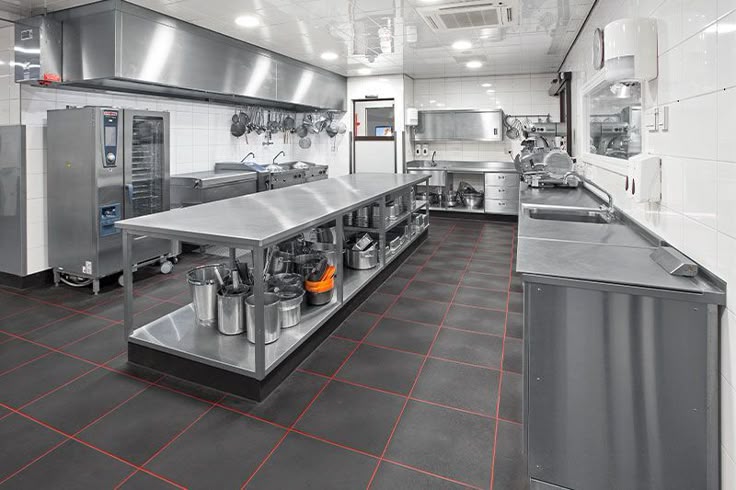
Open and Functional Kitchen Layouts
One of the biggest trends in modern kitchen design is creating open and highly functional layouts.Benefits include
- Better communication between staff
- Faster food preparation processes
- Improved movement inside the kitchen
- Enhanced visibility and supervision
Many modern restaurants are also adopting semi-open kitchen concepts to improve customer experience.
Smart Kitchen Technology
Technology is transforming the commercial kitchen industry.Modern kitchens now include:
- Smart ovens with digital controls
- Automated cooking systems
- Temperature monitoring systems
- IoT-connected kitchen equipment
- Remote equipment management
Smart systems improve consistency, reduce labor costs, and increase operational efficiency
Energy-Efficient Kitchen Equipment
Energy efficiency has become a major priority for restaurants and hotels worldwide.Modern commercial kitchen equipment is designed to:
- Reduce electricity consumption
- Minimize water usage
- Lower operating costs
- Improve sustainability
Energy-efficient solutions are especially important in African markets where energy management is critical
Stainless Steel Continues to Dominate
Stainless steel remains the preferred material for commercial kitchen design because of its:
- Durability
- Hygienic surface
- Corrosion resistance
- Easy maintenance
- Professional appearance
Modern kitchens use stainless steel for workstations, shelving, sinks, cabinets, and ventilation systems
Compact and Space-Saving Designs
As urban spaces become more expensive, many businesses are adopting compact kitchen layouts.Popular solutions include:
- Multifunctional equipment
- Modular kitchen systems
- Vertical storage solutions
- Undercounter refrigeration systems
Space-saving designs improve workflow without sacrificing productivity
Sustainable Kitchen Design
Sustainability is becoming one of the most important trends in the hospitality industry.Eco-friendly commercial kitchens focus on:
- Energy-efficient appliances
- Water-saving systems
- Waste reduction strategies
- Sustainable materials
- Eco-friendly ventilation systems
Restaurants and hotels increasingly prioritize environmentally responsible operations
Improved Ventilation and Air Quality Systems
Modern kitchen ventilation systems are designed to improve safety and comfort.Advanced systems include:
- Smart exhaust hoods
- High-efficiency grease filtration
- Air purification systems
- Heat recovery technology
Proper ventilation helps maintain hygiene and improves working conditions
Custom Kitchen Solutions
Every hospitality business has unique operational needs. As a result, customized kitchen design is becoming increasingly popular.Customized solutions may include
- Tailored equipment layouts
- Custom stainless steel fabrication
- Specialized cooking stations
- Industry-specific kitchen designs
UAE-based Kitchen Equipment suppliers often provide complete turnkey solutions for African hospitality projects
Integration of Automation
Automation is helping kitchens improve efficiency and consistency.Examples include:
- Automated dishwashing systems
- Smart refrigeration monitoring
- Programmable cooking equipment
- Inventory management systems
Automation reduces manual errors and supports large-scale food production
Hygiene-Focused Kitchen Design
Food safety standards are becoming stricter across the hospitality industry.Modern kitchens now prioritize
- Easy-to-clean surfaces
- Touchless systems
- Anti-bacterial materials
- Separated preparation zones
- Advanced sanitation systems
Hygiene-focused design improves safety and customer trust
Growth of Central Kitchen Concepts
Central kitchens are becoming more popular in Africa due to growth in:
- Catering services
- Restaurant chains
- Food delivery businesses
- Institutional food production
Modern central kitchens require highly efficient layouts and heavy-duty equipment systems
Why UAE Suppliers Lead in Commercial Kitchen Design
The UAE has become a leading hub for commercial kitchen solutions because of
Strategic Location
Fast shipping access to African markets
Access to International Brands
Wide range of high-quality kitchen equipment options
Strong Manufacturing and Fabrication
Advanced stainless steel fabrication capabilities
Professional Project Management
Complete kitchen design, installation, and after-sales services
Commercial Kitchen Trends in Africa
The African hospitality industry is driving demand for modern kitchen designs through
- Rapid urbanization
- Growth of tourism
- Expansion of hotel chains
- Rising café culture
- Increased investment in food delivery services
These trends create strong opportunities for UAE-based exporters
Common Mistakes in Commercial Kitchen Design
Businesses should avoid:
- Poor workflow planning
- Insufficient ventilation
- Low-quality equipment selection
- Limited storage capacity
- Ignoring energy efficiency
Professional planning helps avoid costly operational issues
Frequently Asked Questions
1. What is the most important factor in commercial kitchen design?
Efficient workflow planning is one of the most important factors because it improves productivity and reduces operational delays
2. Why is stainless steel widely used in commercial kitchens?
Stainless steel is durable, hygienic, corrosion-resistant, and easy to maintain, making it ideal for food service environments
3. How does smart kitchen technology improve operations?
Smart systems help monitor temperatures, automate cooking processes, reduce labor costs, and improve efficiency
4. Why is energy efficiency important in commercial kitchens?
Energy-efficient equipment reduces electricity costs and supports sustainable business operations
5. What are modular kitchen systems?
Modular kitchens use flexible equipment layouts and multifunctional units to maximize space and productivity
6. Why is ventilation important in kitchen design?
Proper ventilation removes heat, smoke, and grease while improving safety and working conditions
7. What are the latest kitchen trends in Africa?
Current trends include smart kitchens, central kitchen concepts, sustainable designs, and compact restaurant layouts
8. Why are UAE kitchen equipment suppliers popular in Africa?
They provide high-quality equipment, customized solutions, fast logistics, and reliable after-sales support
9. Can customized kitchen solutions improve restaurant efficiency?
Yes, tailored layouts and equipment improve workflow, reduce wasted space, and support operational efficiency
10. What industries require commercial kitchen design services?
Restaurants, hotels, hospitals, schools, cafés, bakeries, and catering companies all require professional kitchen solutions
Conclusion
Modern commercial kitchen design is evolving to meet the demands of efficiency, sustainability, hygiene, and advanced technology. Businesses today require smart, energy-efficient, and highly functional kitchen environments to remain competitive in the hospitality industry